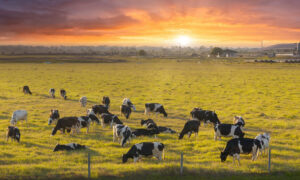
Lentegevare vir Vee
Beskerm Jou Kudde Voordat Probleme Jou Geld Kos Die lente bring nuwe groei, warmer dae en die vooruitsig van beter weiding. Vir veeboere bring die


Anaplasmosis (Gallsickness) is a well-known tick-borne disease. It has a great economic impact and also causes stock losses.
Anaplasmosis is caused by a micro-organism that occurs in red blood cells of infected animals. There are two types : Anaplasma marginale and Anaplasma centrale. Of the two, Anaplasma marginale is by far the most important. It often causes severe illness and death in susceptible cattle.


Anaplasmosis occurs throughout most of South Africa and Namibia. Of the 5 different tick species , the most important vector is the blue tick (R. decoloratus). The parasite A.marginale / A.centrale is transmitted by the nymph and adult stages of the tick species. Ticks become infected when they feed on cattle that are infected with Anaplasmosis or are carriers of the disease.
Anaplasmosis symptoms will appear 3-6 weeks after the animals have been infected with the parasite (A.marginale / A.centrale);


Clinical signs (as described above), can be indicative of disease but confirmation of Anaplasmosis should be made by a veterinarian doing a blood smear or post mortem.
Anaplasmosis is strongly als have Anaplasmosis, treat the animals with Terralon® LA using 1ml/10kg.
With high tick challenges or when animals are moved to rested camps:
For more information, or if you have any concerns or need assistance with disease prevention, treatment protocols, or selecting the correct products, don’t hesitate to reach out to our resident livestock vet, Dr. Izak van Rensburg, at:
WhatsApp: 081 031 4694
Email: izakjvr@hotmail.com
Beskerm Jou Kudde Voordat Probleme Jou Geld Kos Die lente bring nuwe groei, warmer dae en die vooruitsig van beter weiding. Vir veeboere bring die
Protect Your Herd Before Problems Cost You Spring brings new growth, warmer days and the promise of improved grazing. For livestock farmers, however, the change
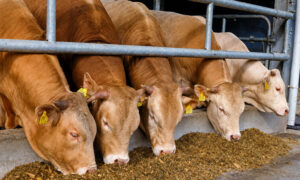
Dit word veroorsaak deur ’n pox virus wat permanente huidskade en skerp dalings in die vrugbaarheid en produktiwiteit van die kudde veroorsaak. Hoe kan jou
It is caused by a poxvirus that results in permanent skin damage and significant reductions in the fertility and productivity of the herd. How can