Vitamin A is one of the most important micronutrients in the nutrition of ruminants. This fat-soluble vitamin, stored mainly in the liver, plays a central role in immunity, reproduction, mucous membrane integrity, bone synthesis, and vision. Since cattle and sheep cannot produce vitamin A themselves, they must obtain it through beta-carotene. This is a plant pigment converted in the small intestine into active vitamin A (retinol).
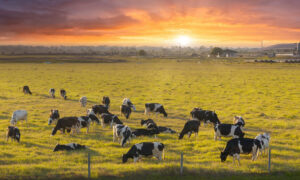
Animals grazing on green pastures receive sufficient beta-carotene, especially during spring and early summer. In winter or under drought conditions, plants lose their greenness and contain almost no beta-carotene. This places livestock at high risk of vitamin A deficiencies, especially if they rely on dry hay or grain-based rations.
Liver reserves of vitamin A can compensate for deficiencies for a limited time. Once these reserves are depleted, clinical signs of deficiency begin to appear.
Importance of Vitamin A
Vitamin A is involved in several essential processes:
- Immune function: Supports the production of white blood cells and antibodies. A deficiency lowers animals’ ability to fight infections, especially pneumonia and mastitis.
- Vision: Essential for the production of rhodopsin in the retina. A lack of vitamin A leads to night blindness and increased susceptibility to eye infections.
- Skin and mucous membrane health: Maintains the integrity of the respiratory, digestive, and reproductive tracts. Deficiencies cause keratinization and increased vulnerability to infections.
- Reproduction: Promotes semen quality in males, ovulation and pregnancy in females, and the development of healthy embryos.
- Bone growth: Important for growing calves and lambs, as deficiencies can impair skeletal development.
When Should We Supplement?
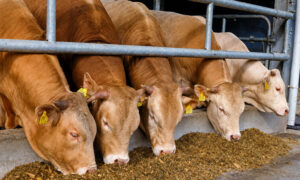
Begin supplementation two months after grass starts turning yellow. Use injectable products every two months until good green grazing is again available. Animals on high-concentrate diets in feedlots have a reduced ability to convert beta-carotene in the small intestine and therefore require supplementation. The need for vitamin A is higher during late pregnancy. Adequate vitamin A reduces the incidence of mastitis, pneumonia, retained placenta, and birth defects.
Calves and lambs are born with low vitamin A levels and rely on sufficient vitamin A levels in colostrum. Low-fat and low-protein rations also impair vitamin metabolism and increase the risk of deficiencies.
Diagnostics and Herd Management
In commercial systems, blood tests for retinol or liver samples can be used to detect subclinical deficiencies – especially in dairy herds or feedlots with high production expectations. Farmers can also strategically supplement vitamin A along with microminerals four weeks before the breeding season, four weeks before calving, during weaning, and upon arrival in feedlots. Supplements administered together with vaccinations also enhance the immune response to the vaccine.
Due to their smaller livers and lower beta-carotene absorption, sheep are more prone to deficiencies than cattle. Goats sometimes show more resistance in dry conditions, but supplementation remains important in intensive systems.
Signs of Deficiency
Deficiencies are more pronounced in young, growing animals but can affect animals of any age. Common signs include:
- Reduced appetite and weight loss.
- Coarse, dull coats, hair loss, and dry, scaly skin.
- Night blindness, eye infections, and excessive tearing.
- Weakened immunity and higher disease susceptibility.
- Poor conception rates, abortions, and stillbirths.
- Retained placenta after calving.
- Poor colostrum production and low immunoglobulin levels.
- Deformed or weak-born calves/lambs.
Availability of Vitamin A
Beta-carotene in feed breaks down under direct sunlight. Store hay and silage away from light. Zinc, iron, and vitamin E can influence vitamin A utilization positively or negatively. Overdosing with synthetic vitamin A can be toxic. Although rare, it may cause anorexia, liver damage, and dry, thickened skin. Always follow dosage recommendations carefully.
Conclusion
Vitamin A is not just a supplement – it is a strategic nutritional tool. It plays a central role in reproduction, immunity, development, and overall herd health. By considering seasonal changes, nutritional conditions, and production phases, farmers can optimize the health and performance of their livestock. Proactive supplementation not only prevents diseases but also increases profitability, improves the quality of life of the animals, and ultimately enhances the sustainability of your farming enterprise.
For more information, or if you have any concerns or need assistance with disease prevention, treatment protocols, or selecting the correct products, don’t hesitate to reach out to our resident livestock vet, Dr. Izak van Rensburg, at:
WhatsApp: 081 031 4694
Email: izakjvr@hotmail.com
— Original article by Dr. Johann Stadler
Thanks to Plaas Media for the permission to publish this article.