It is caused by a poxvirus that results in permanent skin damage and significant reductions in the fertility and productivity of the herd.
How can cattle become infected with Lumpy Skin Disease?
It is believed that the disease is mainly transmitted by biting insects such as stable flies. These insects can spread the disease over large areas from a single infected animal.
Most cases occur during late summer and early autumn, especially in years with above-average rainfall.
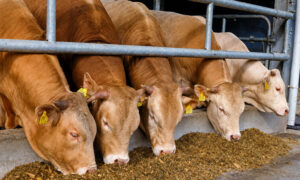
Within a herd, the disease can also spread when animals share feed and water troughs, as infected saliva contaminates the feed. Cows can shed the virus in their milk and infect their calves in this way.
People may also spread the disease by:
- Reusing contaminated needles between cattle during vaccination campaigns.
- Artificially inseminating cattle with infected semen.
Which animals are susceptible?
All unvaccinated breeds of cattle are susceptible.
Between 3% and 85% of a herd may become affected.
Calves born to unvaccinated cows are also susceptible.
Calves born to vaccinated cows are generally protected until approximately six months of age.
As far as current evidence shows, wildlife does not play a significant role in spreading the disease.
What are the signs of Lumpy Skin Disease?
Affected cattle first develop a fever and show signs such as:
- Increased salivation
- Excessive tearing
- Nasal discharge
Some animals may also develop:
- Conjunctivitis (pink eye)
- Enlarged lymph nodes
Shortly afterwards, firm skin nodules measuring approximately 1–5 cm in diameter begin to appear.
In short-haired cattle these nodules are especially noticeable and usually occur over the entire body.
The lesions may extend deeper than the skin into the tendon sheaths of the legs, resulting in:
- Lameness
- Swelling (oedema)
Ulcers may also develop in the:
Secondary pneumonia may occur if lesions obstruct the airways.
Lesions may also develop on the:
This can lead to inflammation of the testes, resulting in temporary or even permanent infertility.
Lesions on the teats often lead to mastitis and permanent loss of udder function.
Milk production can decrease by up to 50% in affected dairy cows.
Treatment
Treatment is only supportive (symptomatic), making prevention far more important.
Supportive treatment depends on the severity of the disease and may include:
- Rehydration therapy
- Anti-inflammatory medication
- Antibiotics (to treat secondary bacterial infections)
Udder ointments or agriflavine-glycerine preparations may also be applied to ulcerated skin lesions.
Are there other diseases that resemble Lumpy Skin Disease?
Yes.
The most important is Pseudo-Lumpy Skin Disease.
A veterinarian, together with laboratory testing, can distinguish between these diseases.
How can the disease be prevented?
The primary method of control is vaccination.
Controlling biting insects, such as stable flies, can also help reduce transmission.
Susceptible cattle should be vaccinated annually, preferably during spring before insect populations increase.
Because the vaccine is a live attenuated vaccine, dairy cattle may experience a temporary reduction in milk production following vaccination.
Recommendations include:
- Do not vaccinate calves younger than six months that were born to vaccinated cows.
- Vaccinate calves born to unvaccinated cows as early as possible.
- Pregnant cows can also be vaccinated with LUMPYVAX®.
Disease outbreaks often occur in cycles lasting several years.
During years when outbreaks are uncommon, many producers stop vaccinating. This leaves large portions of the national herd unprotected and may result in severe outbreaks later, often accompanied by vaccine shortages because fewer vaccines were produced during the previous “quiet” years.
Plan ahead and maintain annual vaccination.
Can cattle still develop Lumpy Skin Disease after vaccination?
Yes, although this is usually due to secondary factors rather than vaccine failure.
These include:
- Animals were already incubating the disease when vaccinated (often because vaccination only starts once clinical signs are already present in the herd).
- Improper vaccine handling, such as:
- Breaks in the cold chain
- Exposure to sunlight
- Vaccine freezing in the refrigerator
- Expired vaccine
- Reconstituted vaccine not being used immediately
- Incorrect vaccine administration, for example:
- Injecting through the skin instead of under the skin
- Using the incorrect dose
- Vaccinating calves younger than six months that were born to protected cows.
- A very small percentage of animals naturally fail to develop adequate immunity despite vaccination.
- Extremely high levels of virus exposure may overwhelm the immune system.
- Failure to vaccinate annually may allow immunity to decline.
Key Message
Lumpy Skin Disease can be an economically devastating disease.
However, it is largely preventable when cattle are vaccinated correctly and annually.
Product Information